
Have you ever found yourself brimming with enthusiasm at the start of a new project, only to watch that motivation slowly fade away? You’re not alone. This month, we’re diving into the psychology of completion and how to develop the mindset of a finisher.
The Finisher’s Mindset
The difference between those who consistently achieve their goals and those who don’t often comes down to mindset. As psychology expert Peter Hollins explains, your mindset—the mental habits you use to make sense of your experiences—determines your attitude toward life’s challenges
To develop a finisher’s mindset, start by identifying your intrinsic motivators. While external rewards like money or recognition can push you forward temporarily, it’s the internal drivers—what you find morally right, worthwhile, or enjoyable—that fuel long-term commitment
Ask yourself:
- What positive emotions will I feel after achieving success?
- How will my life be different when I reach my goal?
- How will my accomplishments help the people I care about?
Preparing for Success
Setting yourself up for success requires more than just willpower. Here are three powerful strategies to prepare for productive action:
Create Visual Reminders
Place tangible reminders of your motivations where you’ll see them frequently. This could be a memento from a meaningful experience on your desk or a visual scoreboard tracking your progress. These reminders snap you out of unproductive mental habits and refocus your attention on what matters.
Establish Clear Rules
Develop a set of personal rules that guide your behavior automatically. These come in two forms:
- Restrictions that limit unproductive actions (like “No more than two episodes of TV per day”)
- Obligations that ensure productive habits (such as “Eat fruits or vegetables with every meal”)
When these rules become habits, they reduce your reliance on willpower alone.
Break Tasks into Tiny Steps
The hardest part of any task is starting. When faced with a daunting project, break it down into extremely small, easy-sounding steps. For example, instead of “Plan my entire marketing campaign,” start with “Spend 15 minutes brainstorming potential themes.”
As you complete these mini steps, you build confidence in your ability to move forward, creating momentum that accelerates your progress.
Maintaining Productivity
Once you’re in motion, these strategies will help you maintain productivity:
Focus on One Task at a Time
Multitasking feels productive but decreases performance. When you switch between tasks, thoughts about the previous task linger, distracting you from your current focus. Instead, group similar tasks together and complete them in a single session.
Combine Treats with Tasks
Make productive action pleasurable by pairing necessary tasks with small rewards. Order your favorite meal while researching investment options or listen to your favorite podcast while organizing your workspace. This strategy resolves the conflict between short-term pleasure and long-term improvement.
Consider the Future
When tempted to give in to distractions, pause and think about how you’ll feel about this decision in the future. Visualizing the potential consequences of procrastination—both positive and negative—can provide the motivation needed to stay on track
The Power of Rest
Contrary to what you might think, scheduled rest is essential for sustained productivity. Without adequate downtime, chronic stress builds up, making it harder to summon the willpower needed for challenging tasks.
Your brain requires periods of unfocused attention to function optimally. Activities like daydreaming trigger alpha waves that promote creativity and feelings of happiness. So, build regular rest periods into your schedule—just be mindful to avoid social media during these times, as its focused stimulation prevents your brain from entering a truly restful state.
This Month’s Challenge
Choose one goal you’ve been struggling to complete. Apply the finisher’s mindset by:
- Identifying your intrinsic motivations
- Creating a visual reminder of these motivations
- Breaking the goal down into tiny, manageable steps
- Establishing one restriction and one obligation to support your progress
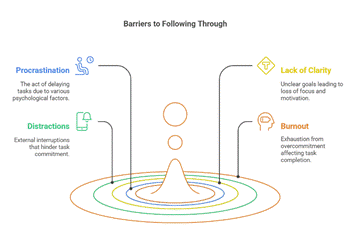
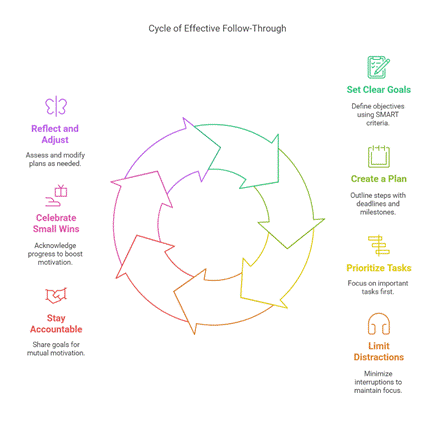
Remember, every time you follow through on a commitment—no matter how small—you’re strengthening your identity as someone who finishes what he starts.
VitalityLink Team
Connecting you to your healthiest, most productive self.